in conversation with
Reuben Goldblum
Reuben Goldblum (b. 1998, South Africa) made his directorial debut in 2025 with his short film, “MEAT THING”. Goldblum’s practice explores the narrative and visual possibilities of experimental cinema, while navigating the blurred boundaries between fiction, atmosphere and psychological space.
His practice engages with the cinematic image as both a narrative device and a material surface; rather than linear storytelling, his work leans towards suggestion and mood, inviting viewers into scenes that feel suspended between the familiar and the surreal. Through pacing, framing and subtle shifts in tone, he cultivates an uneasy yet contemplative atmosphere.
On a warm day in February, we sat with him in De Waal Park to discuss his experience with contemporary filmmaking, his directorial debut and the process that shapes the work.

NZ: Before we start on our main questions, for people who weren’t at the One Park screening or haven’t seen Meat Thing — in your words, retrospectively, what is it?
I guess, in some ways, it’s a cry for help.
NZ: Do you want to tell me more?
What I do now to make a living - I hate it. I work as a DIT, offloading memory cards, managing data and colour pipelines for films. I’ve worked on big projects, but it’s still just that.
Last year, I was in a car accident. It could have been really bad. I remember thinking that if I died, I would’ve died as a DIT on a beer commercial. That would’ve been it. So I was like, “I don’t want to die a DIT. I want to direct. I want to actually make something”, and that’s what Meat Thing is.
NZ: Sometimes it's a tragedy that acts as the push towards greatness.
That’s why it is a cry for help. Because I’m like, come watch this thing. I invited everyone. I was like, please — I can do other things.
It was a good screening. I think you [Namrata] obviously were there, but it was packed. They played it twice. People were being turned away at the door. It was quite special.
NZ: It’s a testament to where you’re headed. Now that we know what conceived Meat Thing, what is it? What’s the story?
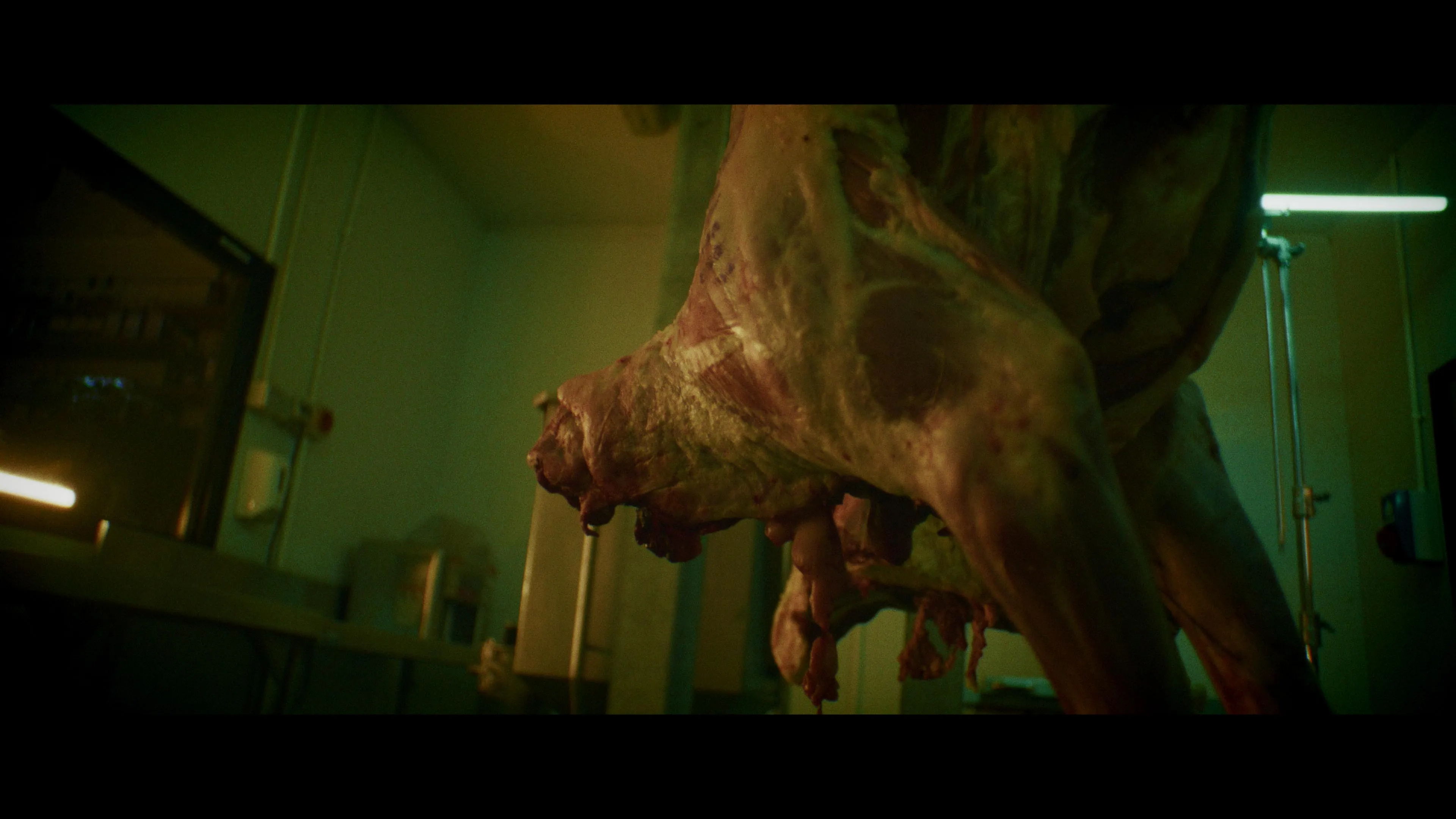
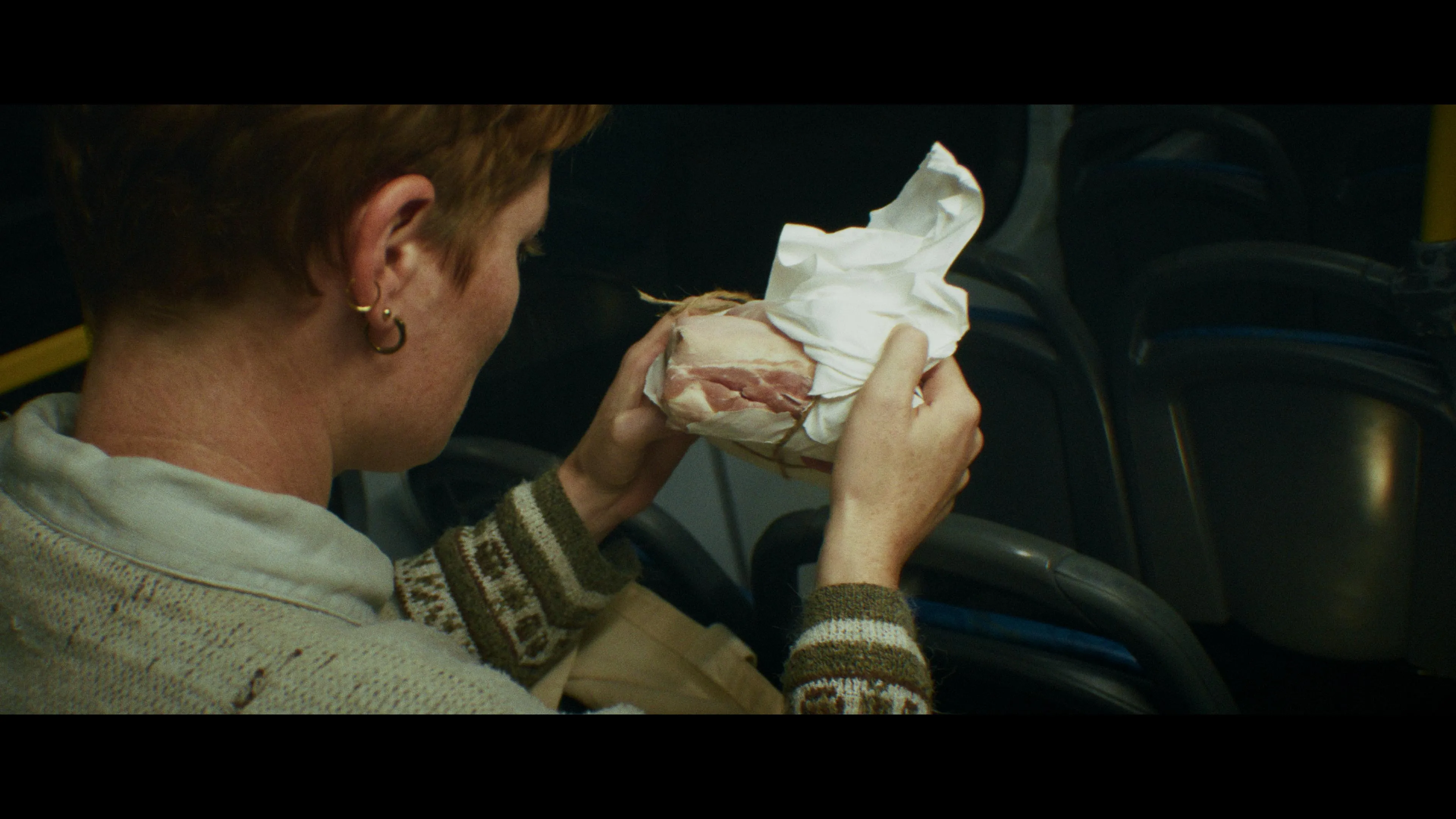
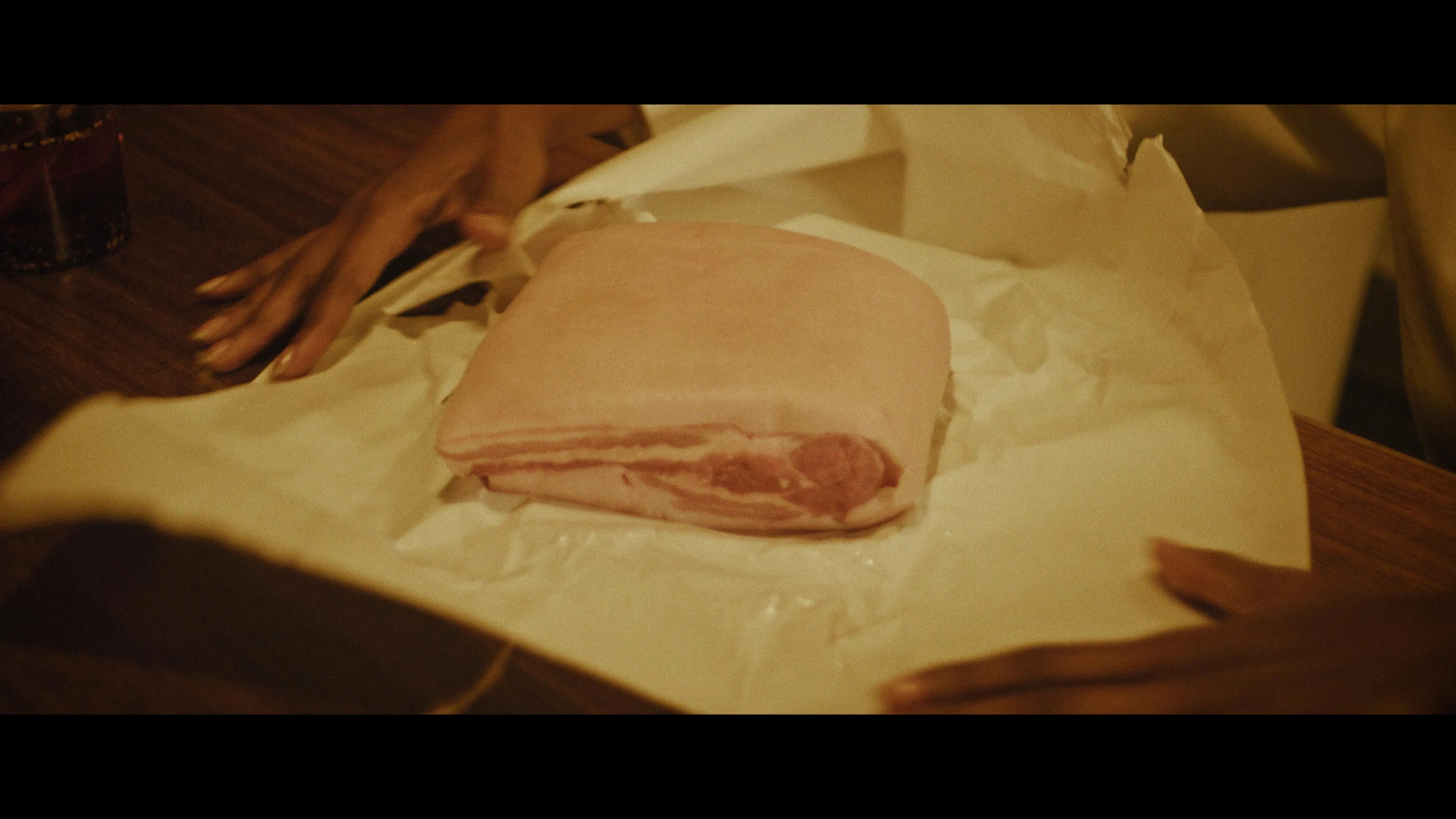
It’s about a butcher who carries a piece of meat that they’re going to bring to a friend they haven’t seen in a long time. And it starts talking to them — asking about its own importance, but also why the butcher doesn’t consider their job to be important.
Which, in a way, is a parallel to being a DIT. Offloading cards and managing data for a giant movie is really important, but it’s soul-crushing. It’s the same thing with this butcher — she doesn’t want to be that, but she does acknowledge that what she’s doing is important, even in a small way.
So even at the end of the film, when the person she brings the meat to is like, “this is beautiful, this is such a good cut,” she’s like, “it’s just meat.”
That’s basically it. It’s about being stuck somewhere, wanting something more, but also not acknowledging that what you’re currently doing is important.
Megan to Reuben: I think it’s maybe quite pertinent for people our age and where they are in their careers. I mean… everyone kind of wants to be somewhere else.
Reuben to Megan: Totally. Perpetual dissatisfaction.
MR: So what part of filmmaking do you find most misunderstood by people who don’t work in film?
I think what people don’t understand is that, for some people, working in film is quite literally just a job. It’s a way to make money. You’re a technician, or you’re working in catering, or transport — whatever it is. It just happens to be in a creative field.
Whereas you do get people who actually want to be filmmakers and don’t want to do anything else. And those are the people doing all these shitty, unglamorous jobs because this is what they want to do for the rest of their lives.
It’s like — the most talented person you know is directing a mayonnaise commercial right now. That’s basically what it is. It’s literally just a job. You’re not always doing the coolest thing, or working on some big series, or directing what you actually want to direct. Sometimes you’re just selling washing powder, or mayonnaise, or working on the shittiest TV show you’re never going to watch.
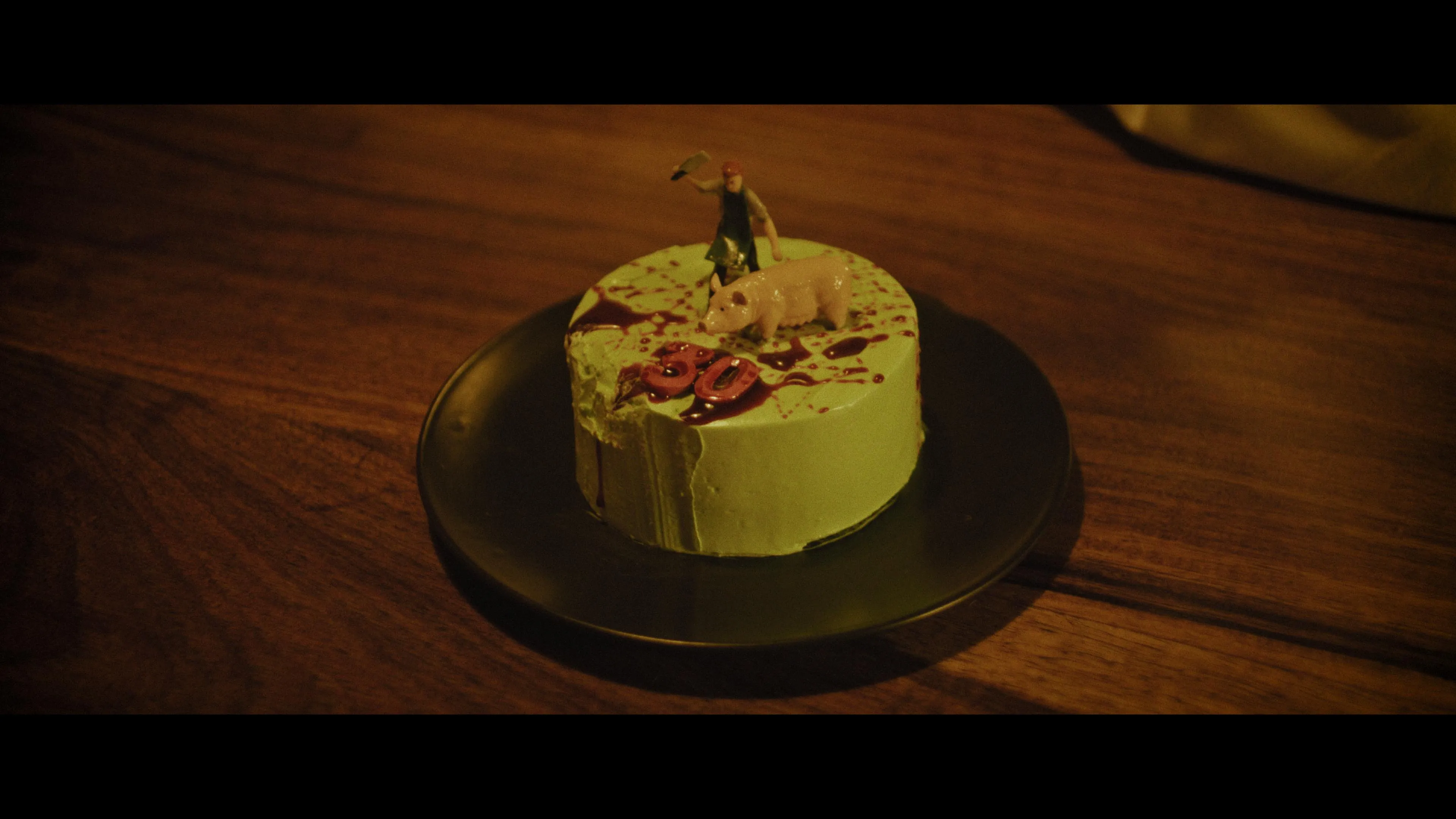
Still from MEAT THING.
Namrata to Reuben: I don’t think I’ve ever thought about it like that, actually.
Megan to Namrata: I have. But yeah, I think people just don’t see it that way.
Reuben to Megan and Namrata: But now you’re seeing both sides of it. And also Meat Thing was something we all did because we wanted to make a film. No one got paid, it wasn’t a profitable thing, it was to make work.
MR: What kind of film or artwork makes you feel jealous — in a productive way?
I think the only thing that makes me want to make another film is other films.
But in terms of art forms I’m jealous of, it’s anything tactile. Pottery, ceramics, sculpture, even furniture — things you can use and physically interact with. They age. They can break. You can use them differently over time. Whereas film has to be seen on a screen. You need a projector, or a TV, or a sound system — there are all these layers between the work and the person experiencing it. But with something tactile, like even a ceramic mug someone made, that’s a piece of art you can carry around, you can break it — it exists on its own. You can feel it. Film isn’t really like that.
… Maybe it was, in a way, with older analogue formats — but now everything exists in a digital space. So I’m jealous of things that get to exist physically. Even vinyl — something you can hold.
MR: Is there any film you’ve watched where you’re like, “I wish I made this”?
I think every filmmaker has that. You watch something and you’re like, I’m jealous — I wish I was the one who made this. There are so many of those.
If I look at filmmakers like Yorgos Lanthimos or David Lynch or Celine Song — films that actually make you cry or laugh, where it almost hurts that you didn’t make them. Those are insane. No specific films, but definitely filmmakers.
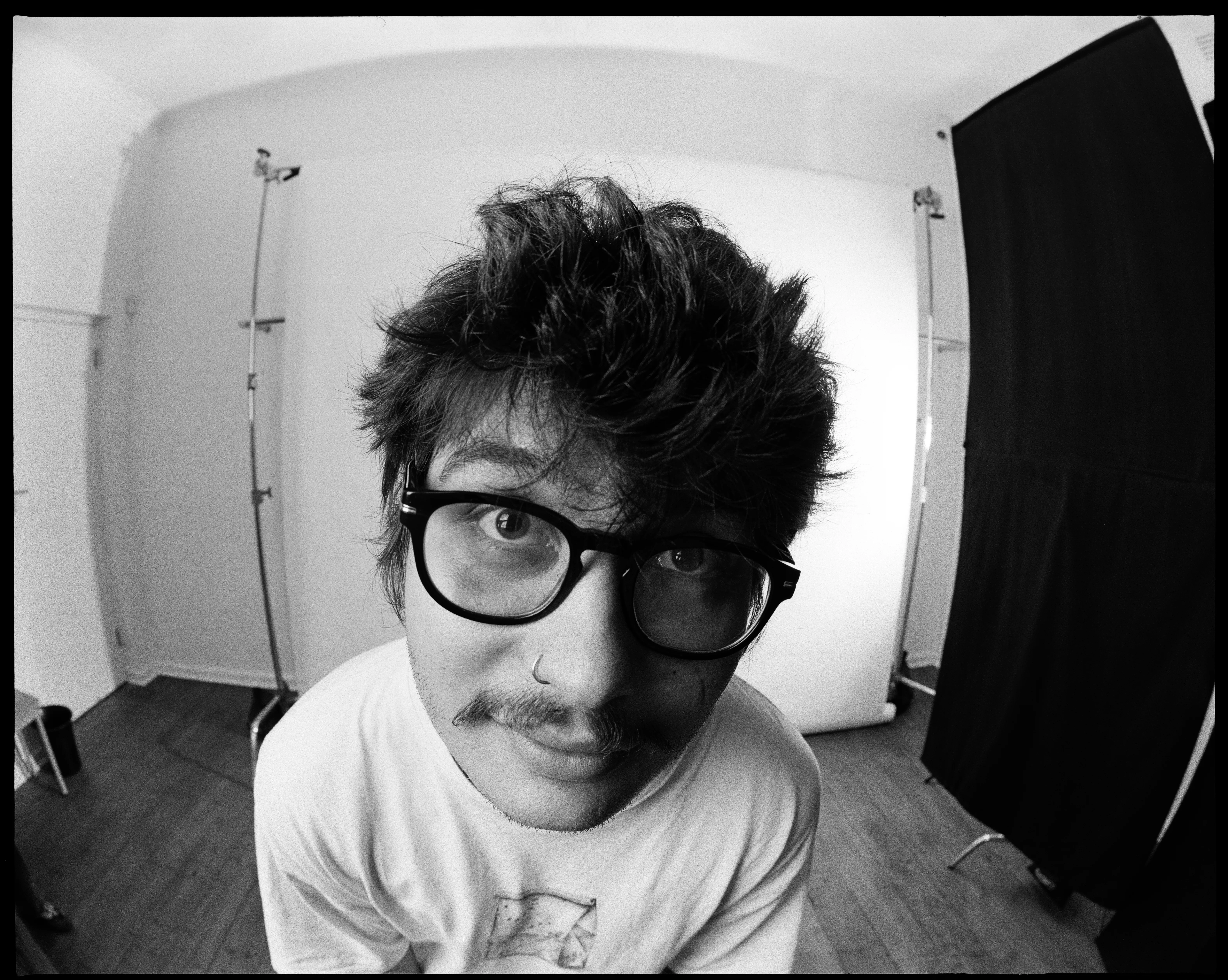
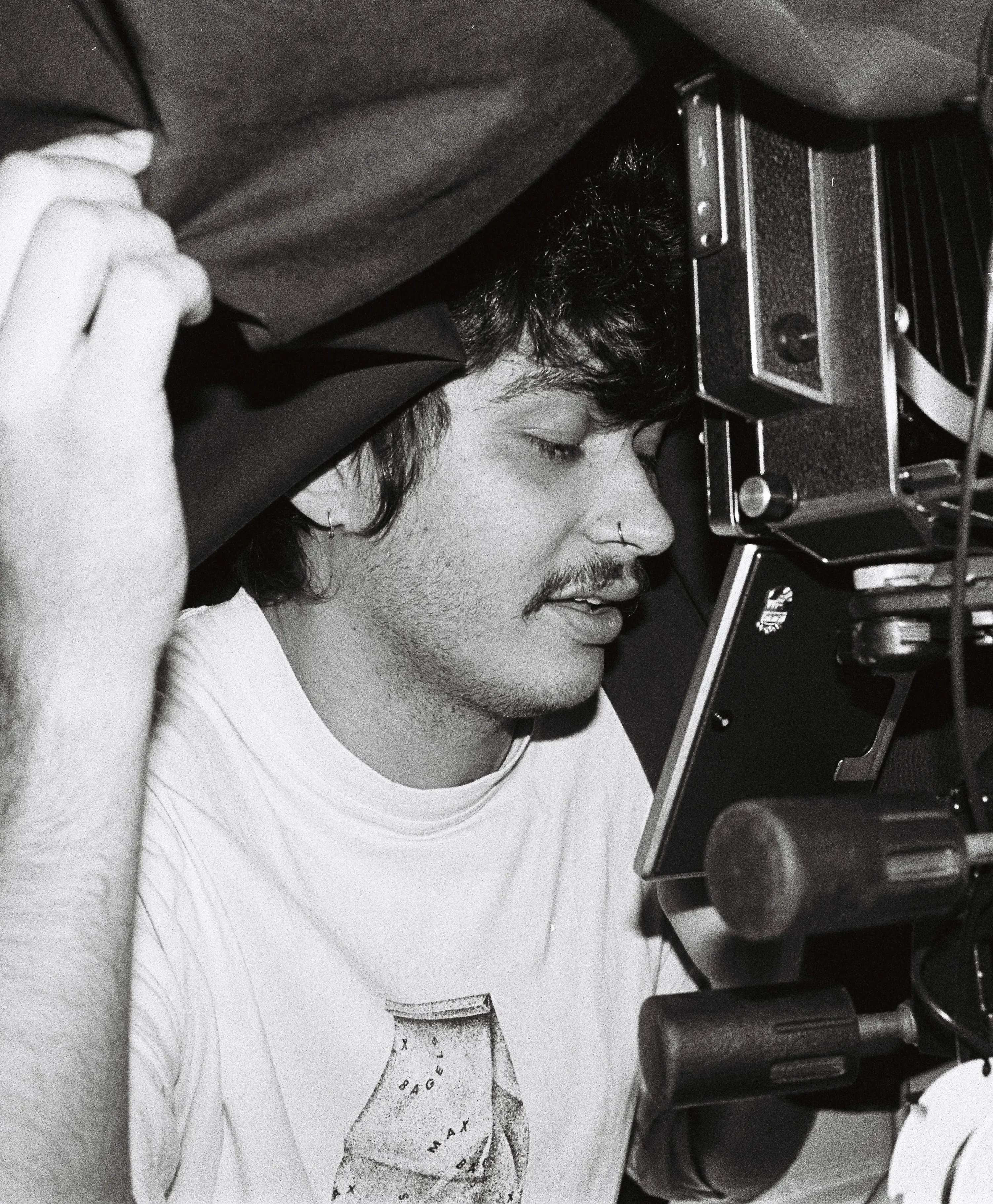
Portrait of Reuben.
Namrata to Reuben: I think you also need filmmakers to make other filmmakers.
Reuben to Namrata: Yeah, it’s generative. Everything is so referential — you’re constantly referencing other works in film to make your own.
NZ: In a way, the way we interact with it is new, because we have phones. It’s a new medium of storytelling — and world-building, I think. But it’s also equally important, because you’re putting something from your head into something that can be experienced again and again.
Yeah. And I mean, a tactile piece of art — it’s the same thing. It’s still an experience. A good piece of art, at least. Sometimes you’re just a spectator. But that’s true for both — tactile work and film. There are also just really shit movies.
NZ: Are there any non-film influences that constantly sneak into your work?
I’ve grown up playing so many games. Really weird, obscure video games. I love Disco Elysium. These are games that have really stood out to me, and that I’ve been trying to bring into my work. There’s another game called Promise Mascot Agency, where you run a mascot agency in a small town, [it’s] people in costumes hyping things up — but they’re all really weird. One’s just a giant toe, or like a ghost, or a bat that can’t see. just like really messed up characters. I think they’re so funny. I also really like Alan Wake because it feels like Twin Peaks. It’s set in this small town where all these quirky, strange things happen. People just hanging outside saunas, weird little moments — it’s all these vignettes you can sit with for hours. It’s so cool.
Fortnite is cool because of how mixed everything is. You can literally have so many different characters. They added the Nike Swoosh guy recently — it’s just cool how referential it is — there’s Back to the Future, Kill Bill, Sabrina Carpenter, Kim Kardashian — all in the same space. And Minecraft, Minecraft’s cool because you can romanticise life in it. You project onto it. You name characters after your crushes… that kind of thing.
MR: Alright, so getting into the work itself — is there a project you’re not ready to make yet?
There’s tons. I think I’m not ready to make a feature yet — a full-length film. There’s also a series I want to make. I have the ideas, and a basic story structure laid out, but I’m not ready to make them yet. I feel like I’m too young at the moment to make a series… It sounds like a bad excuse, but I think I need a few more years of life experience. And also a few years outside of filmmaking.
MR: Are there any directors that have done that that you know of?
I think there’s plenty. With a lot of filmmakers, there’s always something else they want to do outside of film. But film is this thing that keeps sucking you back in. I have friends who’ve moved into music, or other industries. I even have a friend who left film to become a cop. I’m sure they’ll be back, but that’s the thing — you kind of need that weird life experience before you come back. Otherwise all your films are just going to be about filmmaking.
MR: So do you know what your next project will be outside of filmmaking?
No idea. Falling in love, maybe.
NZ: How does being South African shape the kinds of stories you tell? Because you are quite cultured, and what you’ve consumed growing up has obviously influenced the way you make things.
Working in South Africa means existing in this strange film culture shaped by global, Western expectations, while also needing to respond to local realities. And the film industry here has to fight for its place — it’s not necessarily the most championed medium.
“The film industry here has to fight for its place — it’s not necessarily the most championed medium.”
NZ: And you’re not really doing figuration or trying to tell overtly South African stories, which a lot of people here tend to do. Tell us more about that.
I think there are South African influences in my work — maybe in the way things look, or the way they feel. Especially in dialogue. The way characters speak to each other feels very South African. Specifically, very South African Jewish.
I tend to answer questions with more questions, and I think that’s a very South African Jewish way of speaking and writing — constantly circling something rather than giving a direct answer. So in that sense, that influence is definitely there. But I would like to make more South African-centric work. The series I want to write is set in the Karoo, and it’s about the weird things that happen there.
It’s just hard to articulate it all in short form. And I think people here often try to tackle too much in one film. It becomes like, “this is my one chance to say something, so I’m going to say everything.”
MR: If we read Meat Thing as a kind of commentary on despair — how comfortable are you with audiences misunderstanding your work?
That’s fine. Great. It’s not for them. My work’s not for everyone. If it was, it would be a Marvel movie or something — and it would probably suck a bit. I showed it to my mom and she said, “oh, I expected more.” and I was like, “okay, cool, that’s that”. I don’t even know what she meant. Maybe she didn’t get it, maybe she wanted it to be longer, maybe she just didn’t like it.
I also showed it to my Rabbi, who said they didn’t get it either. But that’s fine. It’s not for everyone. As long as there are some people who get it — or even people who hate it — that’s okay with me.
I’m not for everyone either, so it would be weird if my work was.
MR: There’s this myth that filmmakers always know what they’re making before they make it. How much of your process is discovery on the spot, and how much changes as you go?
I definitely knew what I was making when I was making it. But there are things that obviously change on the day, and that’s completely based on real-world factors. You can plan all you want, but sometimes things go wrong, you run out of time, or someone messes up.
For example, working with an actor — you might get a completely different performance than you expected. You can’t think of everything. And then you’re like, okay, we’ll go in that direction, and the scene changes a bit, the emotional beat shifts.
Or you find a new way of shooting something — through a reflection, or a window — and suddenly that changes how the scene feels. So I guess the more superficial things, like how it looks, can evolve. But the core idea stays the same. That’s also what low-budget filmmaking is, you have to make things work with what you have.
Originally, I wanted a train in the film, because the actor who plays Jo takes the train to work, and I liked the idea of it — the sound, the atmosphere. An empty train is really eerie. It’s supposed to be full, so when it’s not, it feels off. Like a New York subway, but empty. But we couldn’t do that. We didn’t have the money, and lighting a train is complicated. So we used a bus instead, which crashed into a pole. It was kind of amazing. There’s still a bent stop sign in Oranjezicht somewhere.
So, there were rewrites on the spot. But again, I still knew what kind of film I was making.
MR: A lot of contemporary filmmaking seems obsessed with clarity — clean arcs, clean meanings, clean endings. How do you relate to clarity in your own work?
I don’t think things shouldn’t be clear, but I also think some things don’t necessarily need answers. Even at the Q&A for Meat Thing, people were asking what things meant, or why I called it that, and it doesn’t really matter. You don’t need to explain everything. Sometimes something just looks cool. Sometimes it has multiple meanings.
Like, everyone has a job they don’t want to be doing — especially in your late twenties or when you’re approaching your thirties. I want Meat Thing to be relatable in that sense, but not overly clear.
As soon as things become too hyper-focused, it’s like they’re not really for anyone anymore. You start ticking too many boxes. I just think clarity doesn’t always make sense in art — it can get a bit boring.
Being told what to feel takes away a lot of the value. It’s easier, and more interesting, to show things rather than explain them. Not everything needs to be spelled out. You can obscure things, even through how you shoot them. If everything is completely clear, there’s no point in discussing the film. There’s nothing to analyse, it’s already been done for you.
Like with something like Avengers: Infinity War, you know exactly what happened. There’s nothing to unpack.
NZ: You mentioned four places — we’re at De Waal Park now — Clarke’s, Monstrum, and Blue Café. Tell us more.
I love having meetings at Blue Café. It’s a way of romanticising life a bit. You look out at the houses, the Victorian architecture, and think, “it would be really cool to live here.” It just feels impressive. It’s got a kind of cinematic quality — and the service is terrible — which is nice, because you end up staying longer. You just kind of give in. As for Clarke’s, I have a love-hate relationship with Clarke’s; I’ve had a lot of meetings there, and I’ve written a shitload of scripts there that will probably never get made. It’s also where I had my first lunch with Kyla, my best friend and my mentor.
And then Monstrum — that’s the most important one. It’s the first company I worked for, and I still work with them to some extent. I’ve spent an insane amount of time there. I’ve even slept there a few times — just because it was more time-efficient to crash on the couch and go straight back to set. They’ve been really supportive of me wanting to become a director. They’ve helped me financially, and with gear. The reason we could make Meat Thing for what we had [financially] is because they gave me a camera.
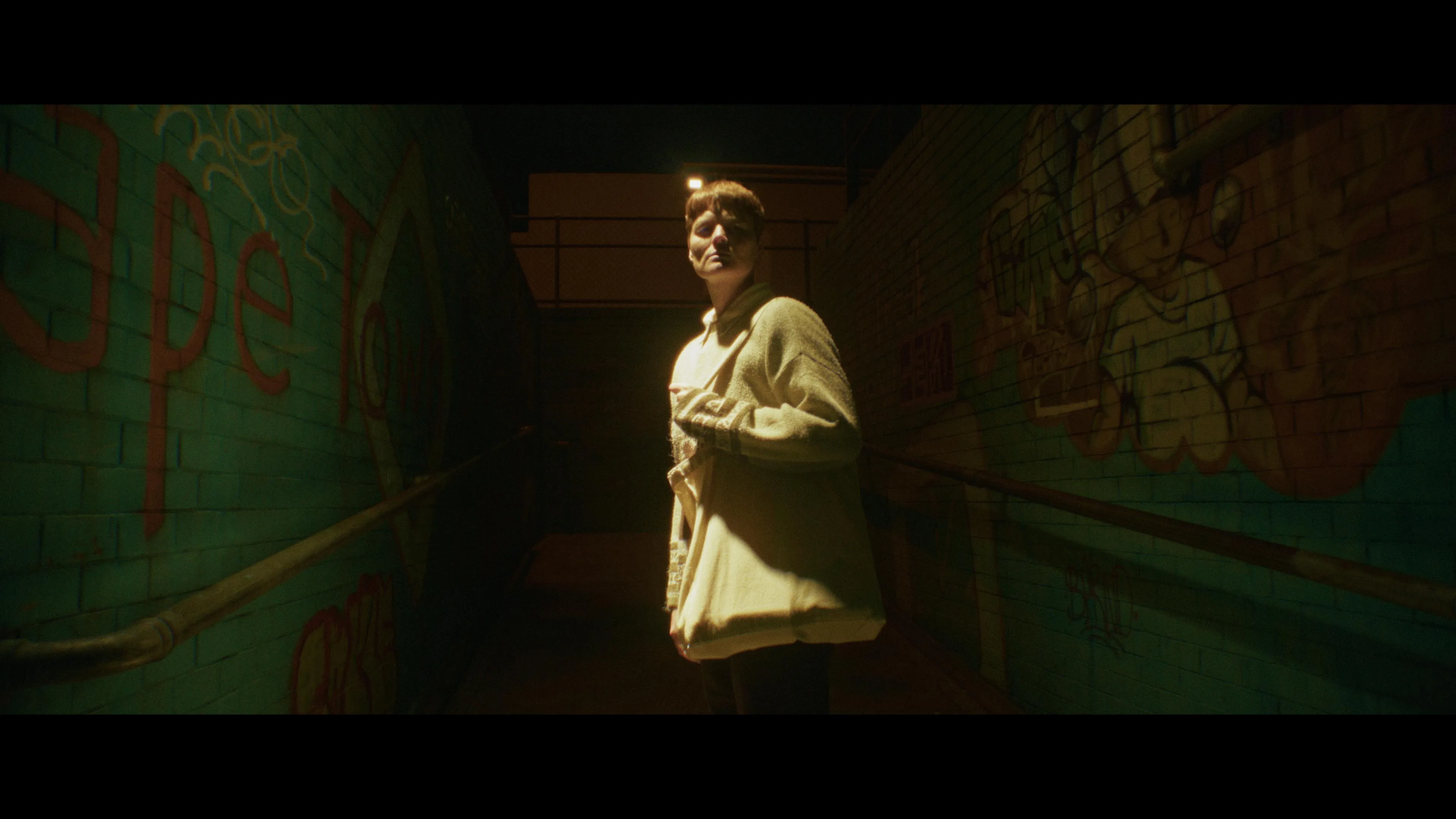
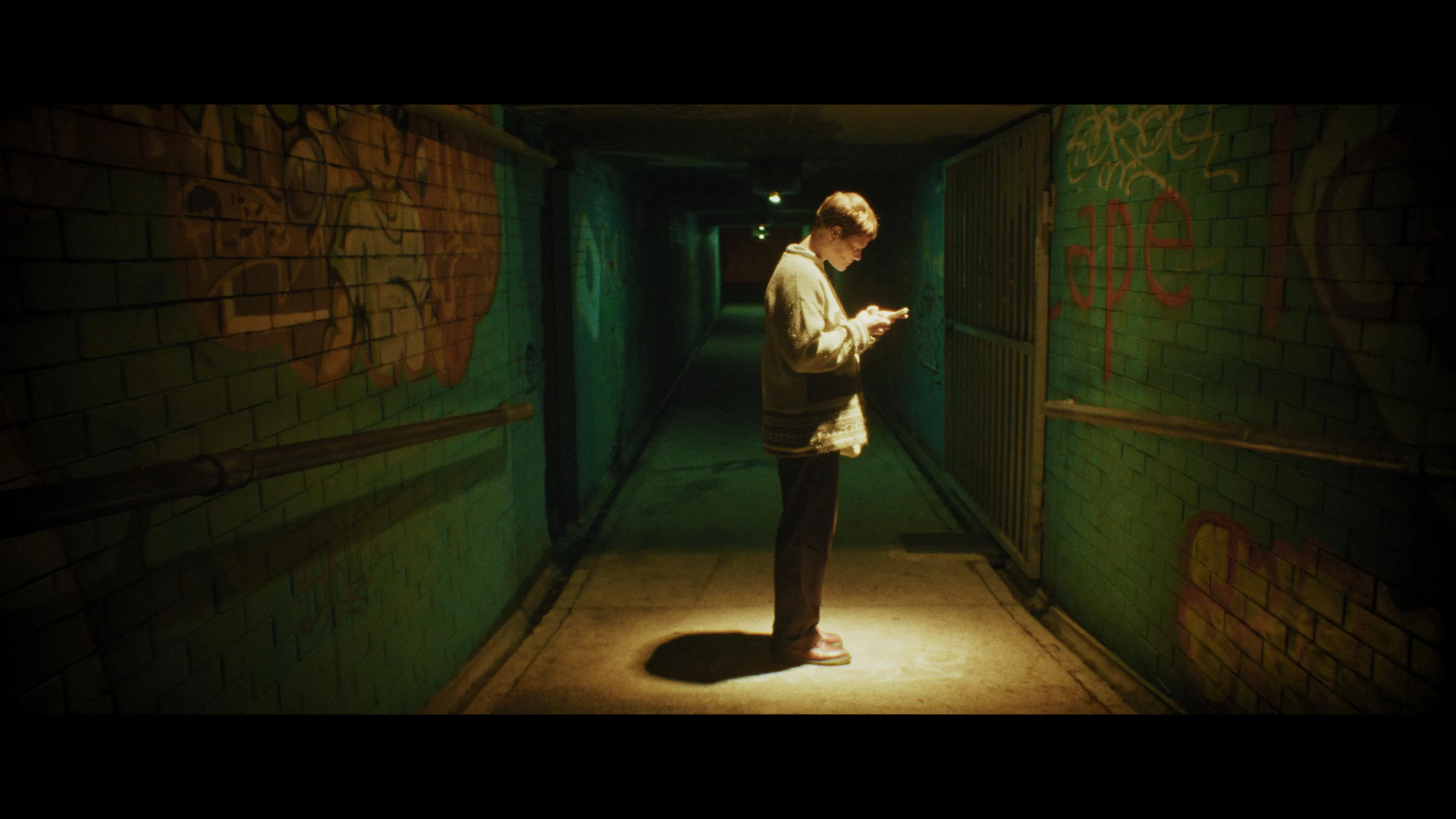
Namrata to Reuben: How much did you make it for?
Reuben to Namrata: Around 40k. Probably under.
Watch Reuben's directorial debut, MEAT THING, here.