in conversation with
Zoe Zannos
Zoe Zannos (b. 2001) is a designer and creative whose work explores the ways vulnerability, care and identity emerge through food, as well as how digital spaces can be reconfigured into sites of genuine connection.
While completing their final year of graphic design studies and experiencing creative burnout, Zannos began searching for a project outside the confines of university. At the time, their life revolved around food and gathering people together: dinner clubs, shared meals and recipe books. Already active on dating apps, they decided to change the way they approach connection on them.
The small Cape Town-based project has since expanded into an ongoing, blooming social practice moving across Europe. Through meals shared in strangers’ kitchens, Zannos documents recipes, conversations and rituals of different domestic lives.
We spoke to Zannos during our first remote interview — they were seated at a coffee shop in Greece, intermittently distracted by a beautiful barista, while Namrata sat at home in front of a stand fan — to discuss what it means to build connection through curiosity.

NZ: So, before you began your travels and many years ago when we first met, you had a history of painting — namely in acrylic — taken from your mum, Gillian, who also has practised for a lot of her life. Tell me more about that, and how your relationship with painting and making work has evolved over time.
I would say that my relationship to painting has changed quite a lot over time, mostly because I went down a route that was far more traditional within visual communication and advertising. Painting became something that I wanted to keep for pleasure rather than something that my entire artistic practice revolved around.
I don’t really identify myself as a painter anymore when people ask me now, but I still think it’s a part of who I am and definitely an indicator of what led me to what I’m doing now. Studying visual communication and then working in design and image-making all kind of came from that early relationship with painting.
It’s funny because I actually haven’t painted, or even looked at photos of my paintings, in a very long time. But I think that’s also part of the answer. It was a really formative part of my creative trajectory, even if it’s no longer the centre of it.
NZ: If I remember correctly, you painted a lot of form — nudes — what was the process of getting into that and then moving away from it? As someone who has had a complex relationship with their gender-identity, painting — largely — the female form — this is quite interesting.
When I was around eighteen, nineteen, twenty, I painted primarily nudes — mostly of myself, but also of other people who would submit images to me that I would then turn into paintings. Looking back, I think I was always interested in intimacy and subtle forms of self-expression.
At the time, I was also figuring myself out through those paintings. They were very tied to how I understood my own identity and body. I think that interest in people and the intimate ways they reveal themselves has actually remained the constant throughout everything I do now.
The difference is just the container. Back then, intimacy existed through painting bodies. Now it exists through conversation, food, kitchens, recipes, travel, and shared experiences.
I think the golden thread through all of my work has always been curiosity about other people — how they think, how they express themselves, what surprises exist within them, and what you can learn through paying close attention.
"I think the golden thread through all of my work has always been curiosity about other people — how they think, how they express themselves, what surprises exist within them, and what you can learn through paying close attention."
NZ: How do you relate to the practice now?
I relate to it now more as something personal and instinctive rather than professional. I don’t really have ambitions to become a practising painter again in the traditional sense, but I do think those early years shaped the way I see composition, colour, framing, and emotion.
Even now, working in graphic design, photography, video, and documenting people, I can still see the parallels. It’s still about visual storytelling and emotional observation. I just express it differently now.
NZ: Pivoting more into what you do as a creative practice — and for work — how has working with people as muses translated into your career (graphic design) and then in your play of shaping culture?
I think the biggest thing that’s translated across all of it is curiosity. Whether it was painting people, photographing them, designing for food spaces, or cooking with strangers, I’ve always been interested in how people express themselves.
A big turning point was during my final year of college in 2024. I was creatively bored with university work and wanted something outside of that. At the same time, my entire life revolved around food and gathering people. I had dinner clubs every month, I started a lunch table at college every second week, and I had also become really interested in zines and scrapbooking.
I had this little scrapbook-recipe-book thing going already, collecting recipes from friends and people around me, and then I had the idea to collect recipes from people I met on dating apps. Initially it was honestly just supposed to be a fun side project. I didn’t think it would become what it is now.
So I started going on dates where we would cook together, and I’d ask people to share a recipe with me. The more I did it, the more I realised that the least interesting thing was actually the recipe itself.
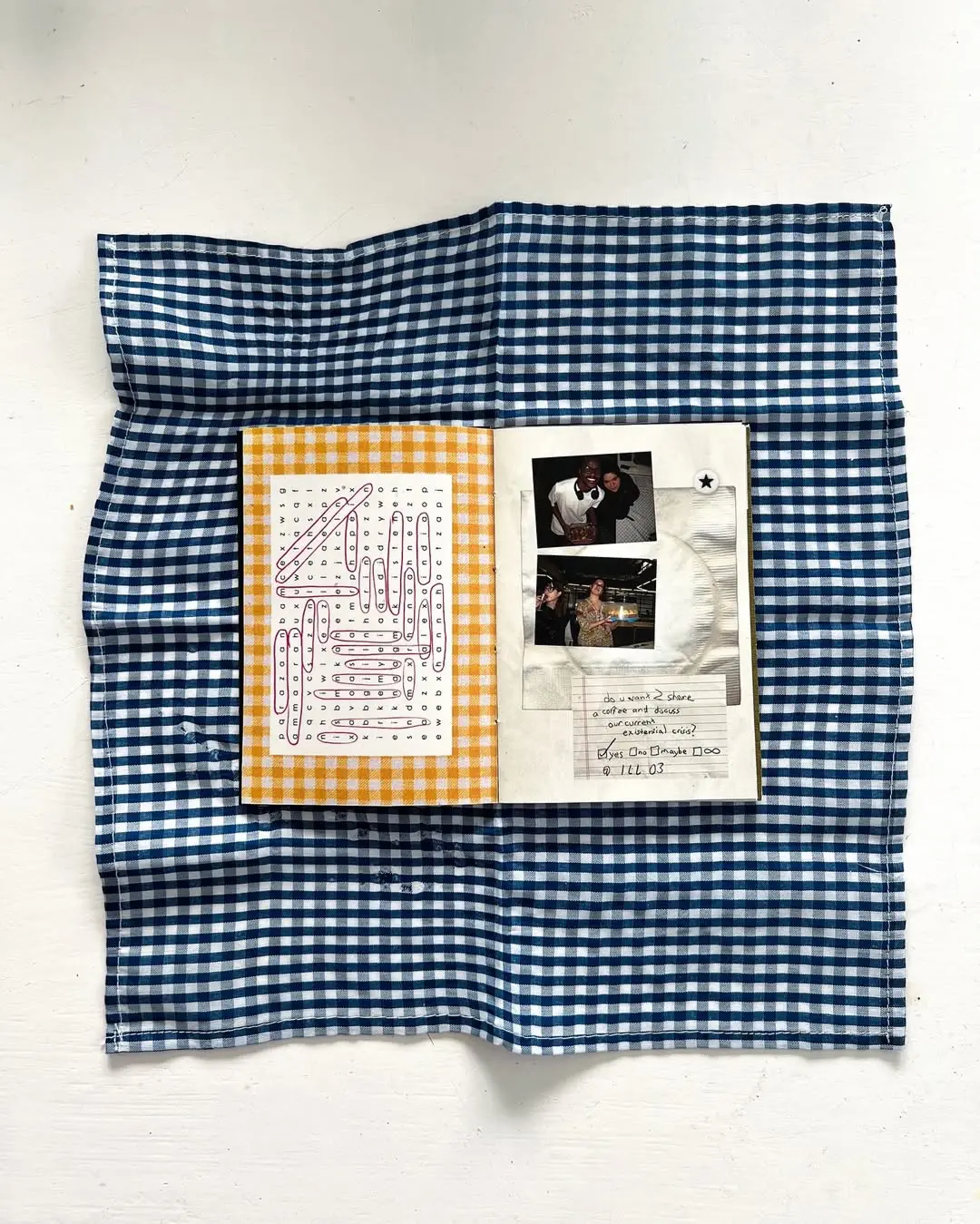
What became fascinating was the person behind it — the nerves in the kitchen, the stories attached to food, the dynamics between people, the way care presents itself domestically.
That first collection in Cape Town ended up becoming this strange portrait of intimacy and interconnectedness. Cape Town is so small that everyone is somehow linked. It taught me so much about how people move through closeness and vulnerability.
Then, while I was working on an island in Greece, I became obsessed with the idea of doing it on a much larger scale. Every day I thought about expanding it into a proper project while travelling through Europe. That was when it shifted from being a side hobby into something I wanted to seriously pursue and document.
“That first collection in Cape Town ended up becoming this strange portrait of intimacy and interconnectedness. Cape Town is so small that everyone is somehow linked. It taught me so much about how people move through closeness and vulnerability.”
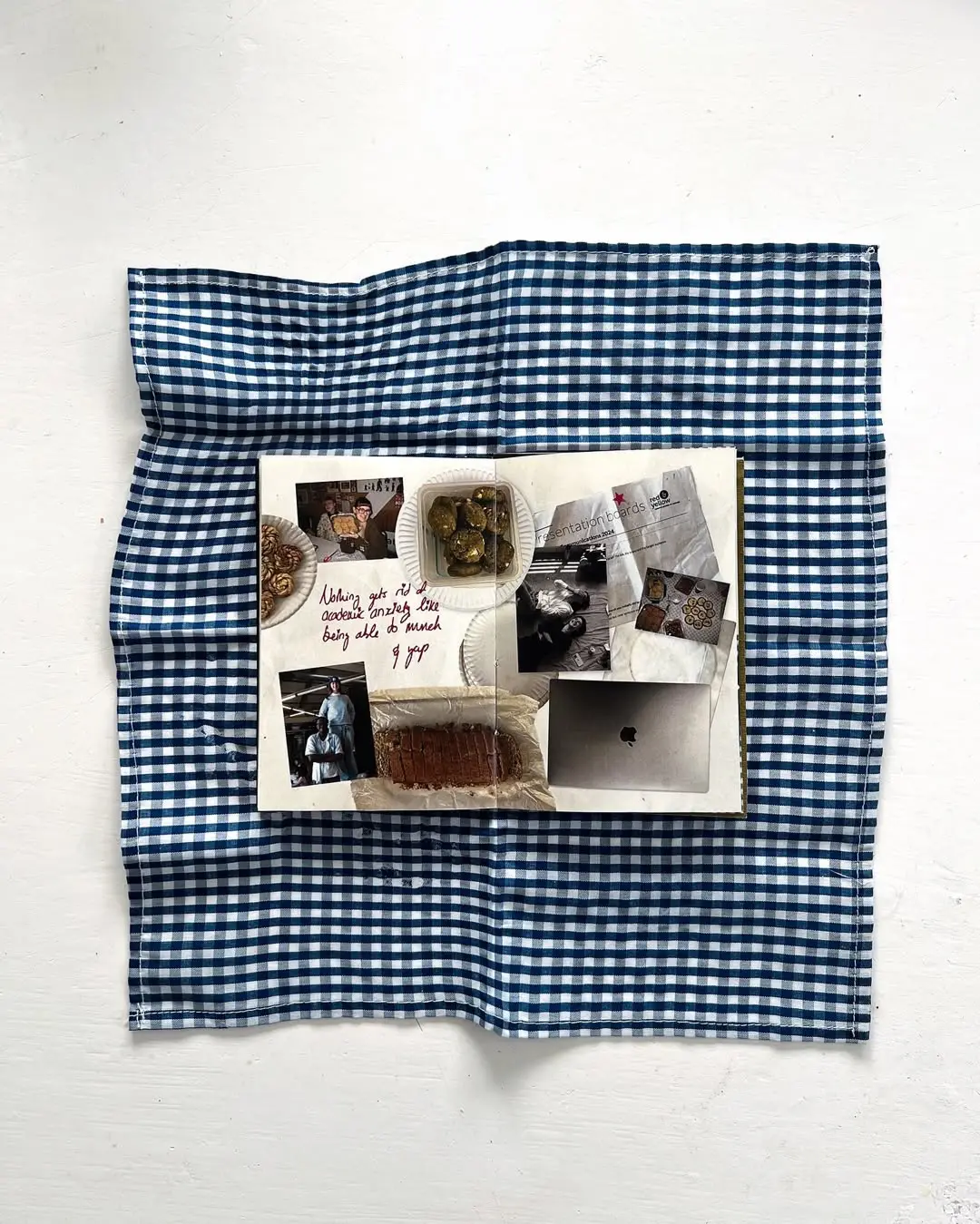
Cook Me Something Nice (2025 - ongoing)>
NZ: Tell me more about what you are doing now — travelling, eating — sure — but namely manipulating Hinge as a medium to create connections all around the world.
I think what’s interesting is that dating apps are usually approached through this really rigid framework — people are trying to date, hook up, perform a certain version of themselves, or fulfil a particular expectation. But when you strip all of that away, the core thing underneath these apps is actually curiosity.
People are on them because they’re curious about other people in some way. I became interested in exploring a kind of curiosity that’s unconventional.
So instead of approaching people through traditional dating dynamics, I immediately propose an activity: let’s cook together, and let’s make something that means something to you. There’s no pressure attached to it. It completely changes the atmosphere of interaction.
People are surprisingly open to it. I actually get very little apprehension when people read my prompt explaining the project. In a strange way, it breaks the ice immediately because people become excited to share something personal through food. Before we’ve even had a proper conversation, they’re already telling me stories about recipes their grandmother taught them, or meals they’re proud of making, or memories attached to certain dishes.
“People are on them because they’re curious about other people in some way. I became interested in exploring a kind of curiosity that’s unconventional.”
It shifts the focus away from performance and towards participation.
What’s also happened is that I’ve completely released myself from the rigid filtering systems people usually use on dating apps. I’m not approaching people thinking, ‘Does this person fit my dating criteria?’ I’m approaching people through openness and curiosity, which means I’m meeting people I never otherwise would have met.
And because the project starts from a place of no expectation, any connection that forms beyond that happens very organically. That’s probably the most beautiful part of it.
NZ: Would you revisit making artwork at any point? What’s next?
I definitely think this project itself is an artwork. For me, the end goal is to eventually create a physical publication — probably a book — that collects all of these recipes, stories, photographs, conversations, and experiences together.
But I don’t really see an end date for the project itself. I feel like I’ll intuitively know when it’s finished. It could continue for another year, maybe two years, maybe longer with breaks in between.
I’m also not planning on returning to Cape Town permanently. I want to continue travelling and continue pursuing this project alongside my work as a graphic designer.
Professionally, I specialise in branding and identity work within the culinary space, and I want to dedicate my life to that. But equally, I want to dedicate as much time as possible to continuing this project because it’s become almost addictive in the best way.
There are endless people, endless stories, endless cultural contexts, endless ways people express care and identity through food. I don’t see myself becoming uninterested in that anytime soon.
NZ: Tell me about the disgusting bits.
The funniest and honestly most shocking thing I’ve learned is that everybody’s standard of cleanliness is wildly different.
I do want to speak about this tactfully, though, because I’m very conscious that there are class and upbringing dynamics tied into cleanliness and domestic habits. It’s not about mocking people. It’s more that this project has exposed me very intimately to the realities of how differently people live.
That’s probably been the most unexpectedly confronting part of the whole experience.
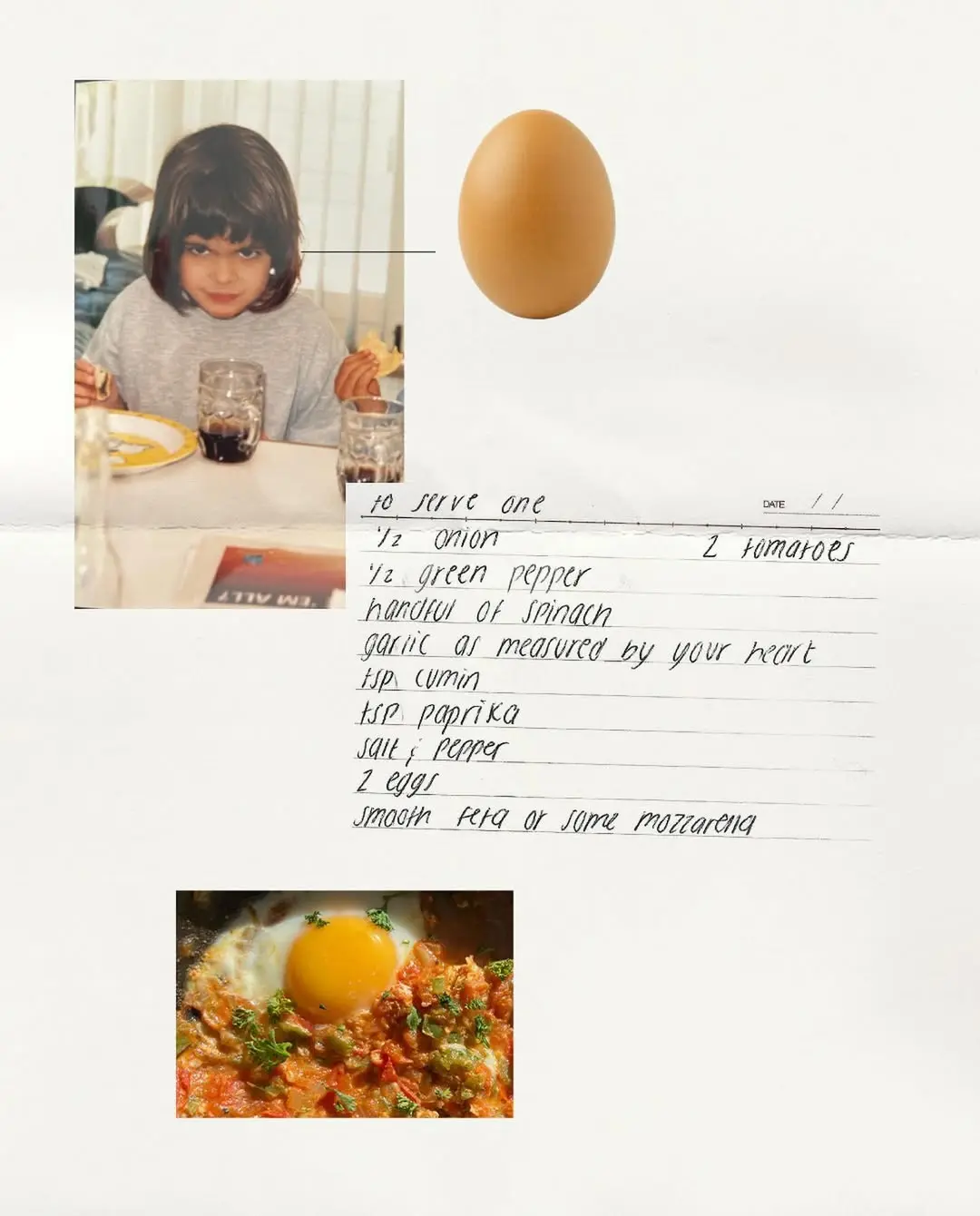
“There are endless people, endless stories, endless cultural contexts, endless ways people express care and identity through food. I don’t see myself becoming uninterested in that anytime soon.”